Day trading means opening and closing positions within the same day, aiming to profit from short-term moves. It’s exciting — and harder than social media suggests.
How it works
Day traders use fast charts (minutes), technical setups and tight risk control, often taking several trades a day and holding nothing overnight.
The honest risks
Key idea: Most day traders lose money, especially early on. The ones who last treat it as a serious skill with strict risk rules — not a get-rich-quick game.
- High costs from frequent trading.
- Emotional intensity and screen fatigue.
- Leverage magnifying mistakes.
Skills you need
- Fast, unemotional decision-making.
- A tested setup with clear rules.
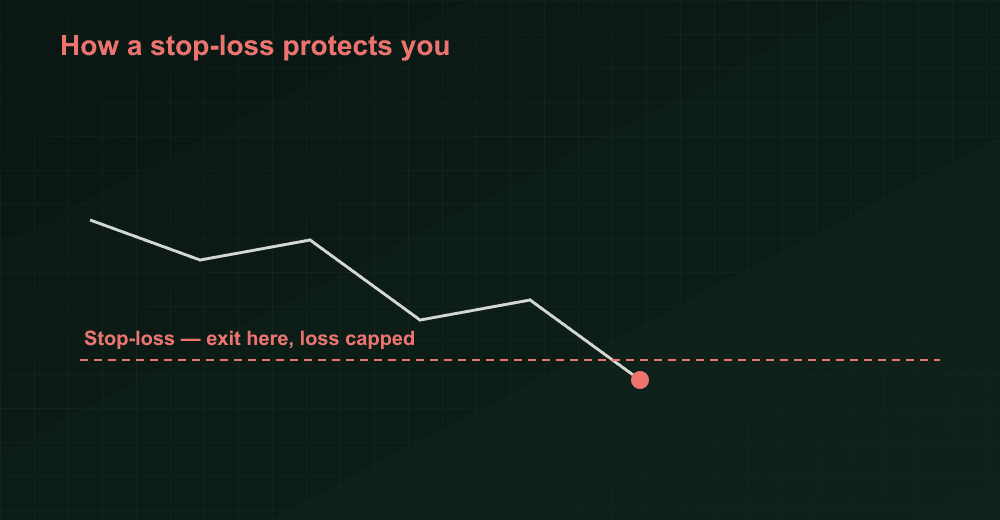
- Iron risk management (fixed % risk, hard stops, daily loss cap).
How to start safely
Learn on a simulator first. Trade your setup across dozens of simulated sessions, journal everything, and only risk real money — small — once you’re consistent.
Key takeaways
- Day trading = same-day trades, no overnight risk.
- Most beginners lose; it’s a serious skill, not easy money.
- Costs, emotion and leverage are the big dangers.
- Practise on a simulator until consistent before going live.
Practise this free on StockYatra
Open a free account, get 10,000 virtual coins and trade live-simulated NEPSE & Indian markets with zero real-money risk.